Let's cut right to the chase for everyone wondering about a certain Straw Hat Pirate chef: No, Sanji, the formidable cook from One Piece, is not a character in Demon Slayer: Kimetsu no Yaiba. While both are immensely popular anime series known for their captivating characters and intense action, they exist in entirely separate fictional universes. There's no crossover event, hidden cameo, or secret backstory linking Sanji to Tanjiro's demon-slaying world.
So, why the confusion? It’s common for fans to speculate about dream crossovers or perhaps confuse names across vast anime rosters. However, the world of Demon Slayer stands strong on its own, crafting a unique narrative driven by deeply emotional storytelling and an unforgettable cast. Instead of looking for familiar faces from other series, Demon Slayer invites viewers to immerse themselves in its own rich tapestry of heroes, villains, and the profound tragedy that binds them.
This flagship guide will serve as your ultimate hub to understand the true essence of Demon Slayer, exploring its core themes, its most impactful characters, and why it has resonated with millions worldwide. We'll explain exactly what makes this series special, from its empathetic protagonists to its heartbreakingly human antagonists.
The Crossover Conundrum: Why Sanji Isn't in Demon Slayer
The idea of a character like Sanji—renowned for his powerful kicks and chivalrous, albeit sometimes goofy, demeanor—appearing in Demon Slayer is certainly fun to imagine. Perhaps the association comes from Sanji's distinct fighting style, primarily utilizing his legs, which might conjure images of fast-paced, acrobatic combat seen in Demon Slayer. However, each anime operates within its own established lore, character designs, and distinct power systems. Demon Slayer features its own roster of dedicated warriors, each with unique Breath Styles and personal histories that are deeply intertwined with its world.
This focus on internal consistency is a major strength of Demon Slayer, allowing its narrative to build complex emotional arcs without relying on external characters. If you're curious about the intricate details of how the story unfolds, you can [discover the subtle yet significant differences between the Demon Slayer anime and manga] for a comprehensive look at its artistic evolution.
Diving Deep into Demon Slayer's True Heroes
Demon Slayer distinguishes itself by centering its narrative on the emotional aftermath of conflict and the profound backstories that shape its characters. This isn't just about flashy fights; it's about understanding the deep-seated motivations born from immense loss and unwavering resolve.
Tanjiro Kamado: The Heartbeat of the Demon Slayer Corps
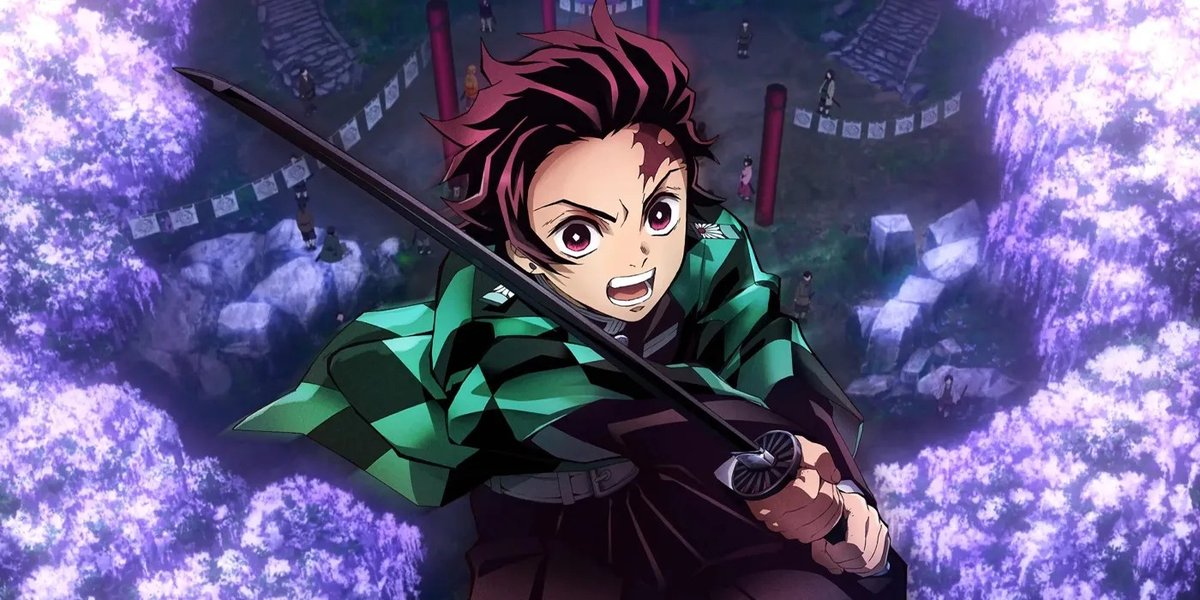
At the very core of Demon Slayer is Tanjiro Kamado, a protagonist who embodies kindness and selflessness even in the face of unimaginable tragedy. His journey, spurred by the brutal slaughter of his family and the transformation of his sister Nezuko into a demon, is one of empathy and fierce determination rather than pure hatred. Tanjiro's distinctive features, such as his large pink scar and his significant Hanafuda earrings (which carry their own cultural nuances and plot relevance), mark him as an iconic hero. His initial role as a simple charcoal seller perfectly sets up his compassionate nature before his world is turned upside down.
To truly grasp the depth of his character and his pivotal role, you should explore [our full character analysis of Tanjiro Kamado], which delves into his abilities, emotional growth, and symbolic importance.
More Than Just Fighters: The Pillars of Pain and Purpose
Beyond Tanjiro, the Demon Slayer Corps is filled with powerful individuals known as the Hashira, each carrying their own unique burdens and motivations. Characters like the outwardly angry Sanemi Shinazugawa, the seemingly cheerful Shinobu Kocho (whose smile often masks deep sorrow), and the withdrawn Giyu Tomioka (haunted by his past), all demonstrate how personal pain can fuel an unbreakable resolve. Their diverse responses to tragedy add layers of complexity to their collective fight against Muzan Kibutsuji, the progenitor of all demons. These shared losses create an emotional momentum that drives their every action.
Understanding their individual paths and their collective structure is key to appreciating their roles. You can [dive deeper into the hierarchy and roles within the Demon Slayer Corps] to learn more about these powerful protectors and their organization.
The Humanity of Monsters: Understanding Demon Slayer's Antagonists
One of Demon Slayer's most compelling aspects is its empathetic portrayal of its antagonists. The series masterfully blurs the lines between good and evil by offering glimpses into the demons' human lives before their transformation. These revelations often occur during their final moments, reframing them not merely as adversaries to be defeated but as victims of tragic circumstances, cruelty, or desperation.
Akaza and the Tragedy of Demonization
Akaza, one of the most formidable Upper Rank demons, is a prime example of this nuanced approach. His backstory is exceptionally devastating, filled with profound loss, desperate struggles for survival, and unwavering loyalty to his loved ones. His transformation into a demon was not a choice he made willingly, adding significant emotional weight to his intense battles with the Demon Slayers. His story challenges viewers to consider the painful pasts that led these beings down their monstrous paths.
To truly comprehend the intricate layers of this powerful antagonist, be sure to [uncover Akaza's full backstory and complex motivations explained], revealing the depths of his tragedy.
Daki and Gyutaro: A Bond Forged in Hell
Similarly, the sibling duo Daki and Gyutaro from the Entertainment District Arc embody a twisted yet profound human connection. Their bond, rooted in mutual survival and care amidst desperate poverty, showcases a lifelong partnership that existed long before their demonization. Their story is a raw depiction of how even the most horrific circumstances can forge an unbreakable, albeit dark, loyalty. These narratives push audiences to consider the complex origins of villainy, fostering empathy rather than simple hatred.
The Emotional Core of Demon Slayer: Why It Resonates
Demon Slayer transcends typical shōnen expectations by deeply integrating themes of tragedy, grief, and empathy into its core narrative. This human-first approach ensures that every character, whether hero or villain, feels fully realized and leaves a lasting impression. It’s a series that doesn't shy away from the emotional aftermath of conflict, allowing viewers to connect with characters on a profoundly human level. This method encourages a deeper understanding of the circumstances that led characters down their paths, revealing painful histories that shaped their decisions.
This continuous exploration of character depth, for both heroes and villains, challenges simplistic notions of good and evil. It encourages viewers to connect with the characters' experiences and struggles, making the overarching fight against demons feel intensely personal and impactful. To fully appreciate this unique narrative strength, you should [explore the profound emotional impact that defines Demon Slayer] in our dedicated analysis.
Beyond the Battle: Key Elements That Define Demon Slayer
While its emotional depth is undeniable, Demon Slayer also stands out for its breathtaking animation, dynamic fight choreography, and a vibrant world that blends traditional Japanese aesthetics with supernatural horror. The distinctive visual style, especially during action sequences, transforms battles into cinematic spectacles, making every breath and every sword swing feel impactful. This blend of stunning visuals with profound emotional themes creates a truly memorable series that has achieved record-breaking success worldwide.
Ultimately, Demon Slayer delivers an experience that is far richer than any single character crossover could provide. Its power lies in its ability to make you feel deeply, connecting you to the struggles, joys, and heartaches of its unique and unforgettable cast. So, while Sanji remains firmly in the Grand Line, the world of Demon Slayer offers its own incredible journey, packed with heroes and villains whose stories will stay with you long after the final credits roll.